Kubota
Industry: Wine & Spirits
What happens when you bring a traditionally unconventional Japanese sake to America? You pour your own.
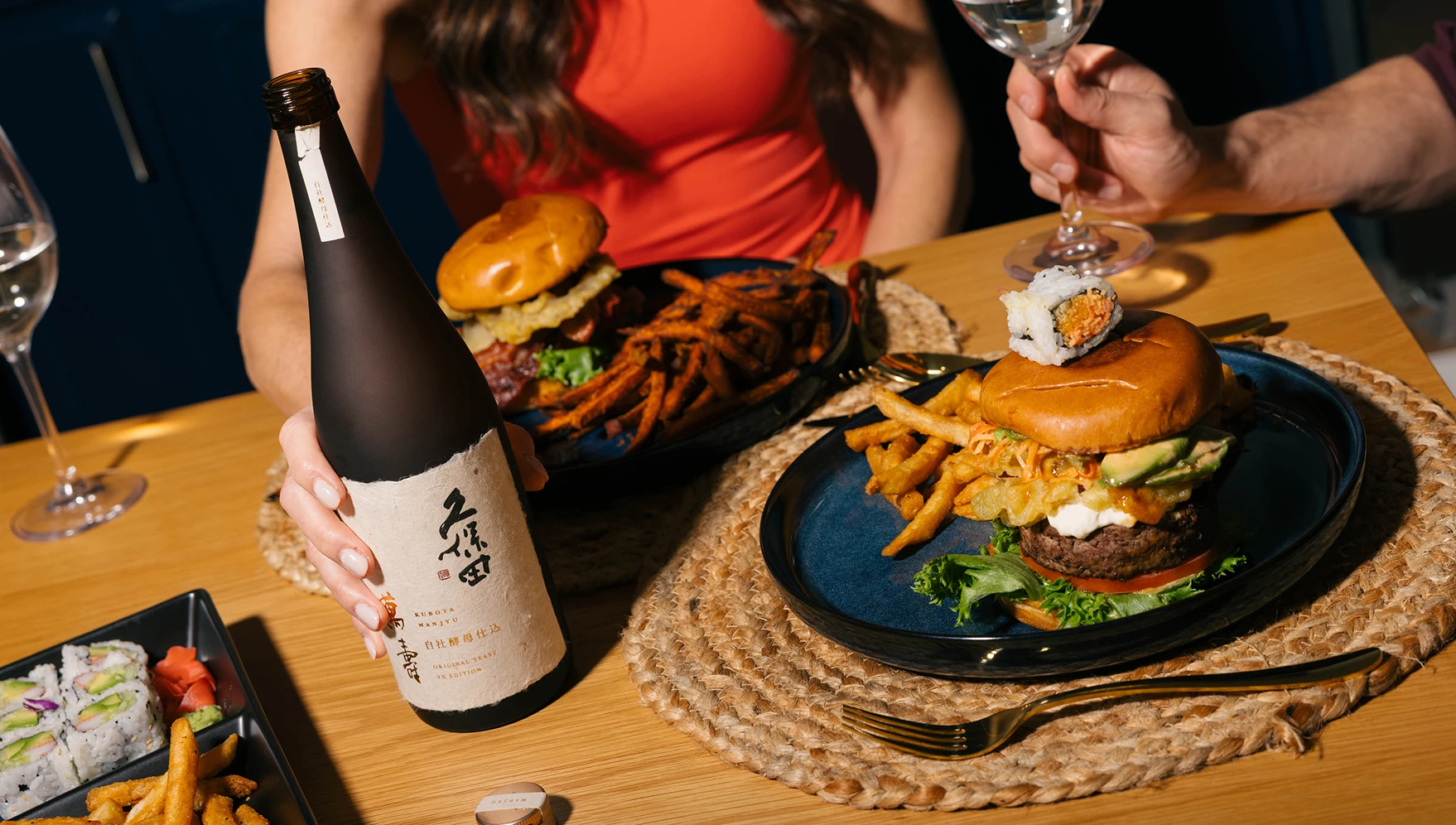
Kubota Sake
Kubota has spent nearly 200 years perfecting sake in Japan, a name serious drinkers already trust. But trusted in Japan doesn’t mean understood in America. Launching Kubota in the U.S. meant introducing sake itself to an audience that still defaults to wine and whiskey, and giving a growing but confused market a real reason to change that.
- Industry:
- Wine & Spirits
- Website:
- kubotasake.com
- Engagement:
- Agency of Record
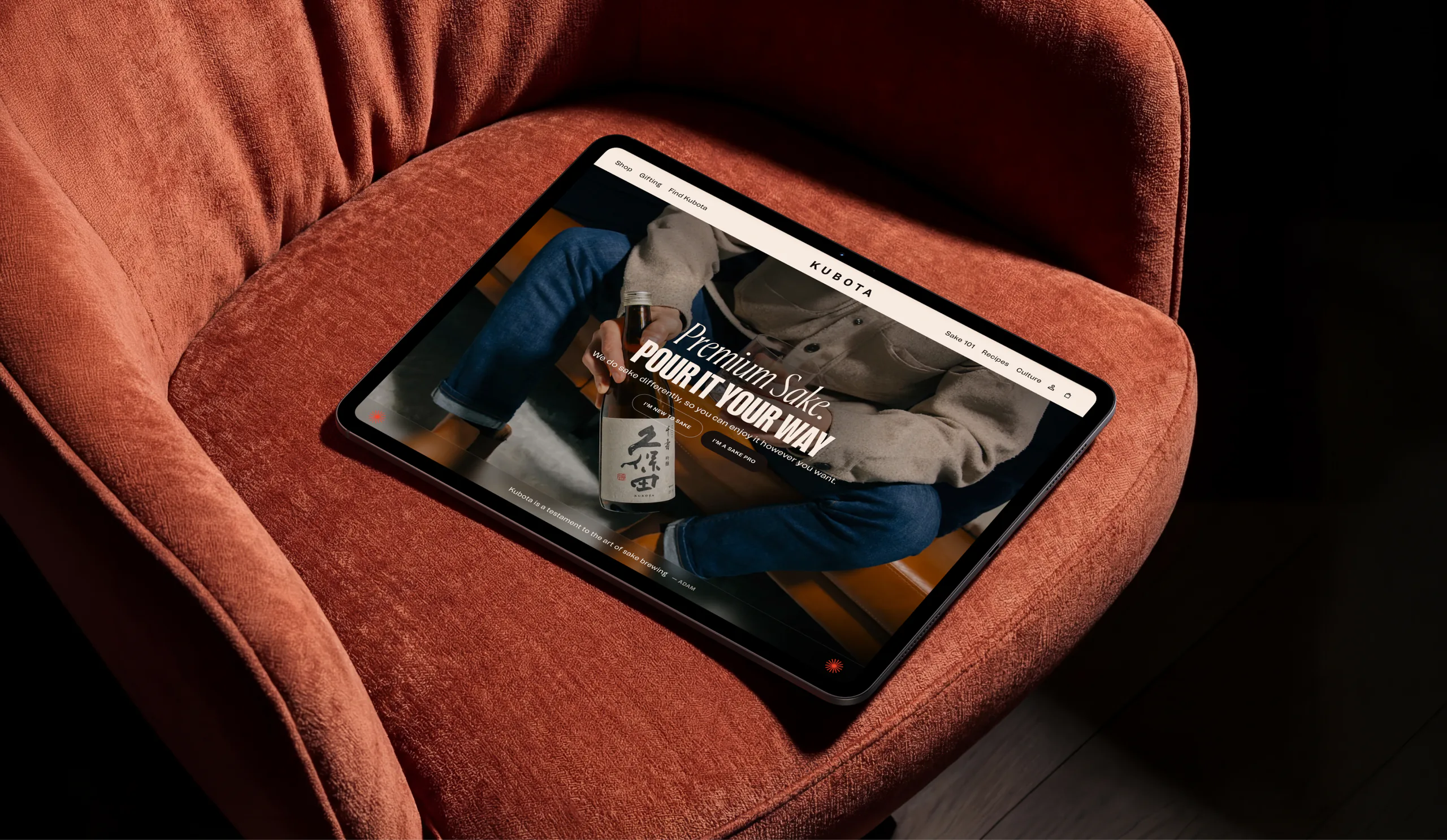
Making sake accessible
Sake is brewed, not distilled, and sits closer to wine than whiskey in strength. Kubota's flagship is a junmai daiginjo, the most polished grade. We built the launch around making that vocabulary approachable.
01 / 03
Challenge
How’s this for a challenge? Introduce a 200-year-old sake dynasty to a country that’s not really sure what sake is.
Kubota had everything a heritage brand could want: nearly two centuries of craft, premium rice, pristine Niigata water, and real respect in Japan. What it didn’t have was any recognition in the U.S. The category itself was confusing enough, but when you consider that most Americans associate the name with tractors, you see what the brand was up against.
As noble as it is, sake’s tradition actually works against it in the U.S. market. It’s steeped in another language and wrapped in ceremony and ritual, burdening it with rules people don’t want to break by accident. So they play it safe with wine or whiskey, and sake stays a “someday” drink that’s always poured by someone else, on someone else’s terms.
Every competitor was fighting for the same tradition-anchored corner of the map. Kubota needed to break through that noise, hit aggressive volume goals on a tight nine-month timeframe, and ultimately establish itself as a sake that people reach for, whether they understand the tradition or not.
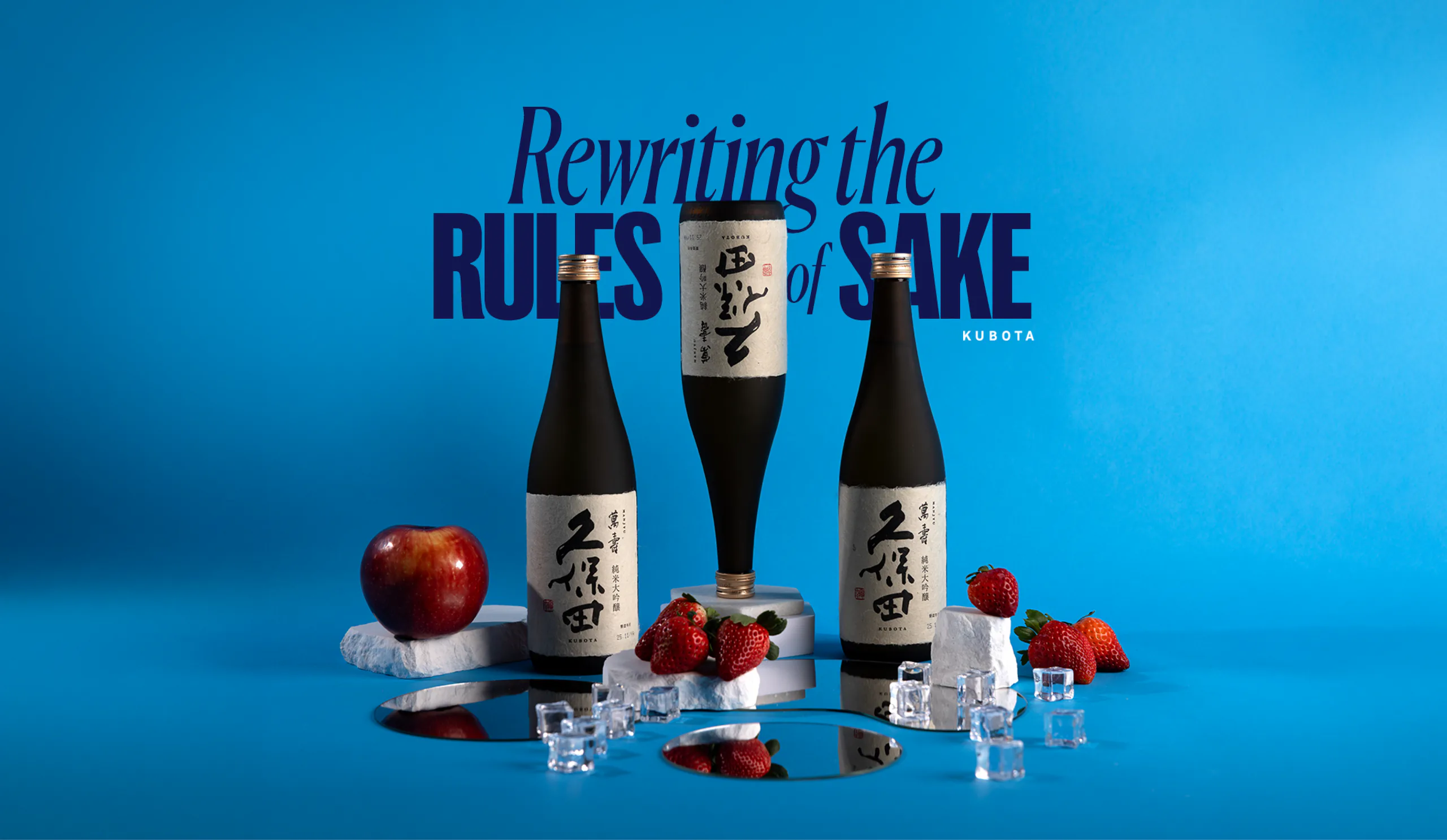
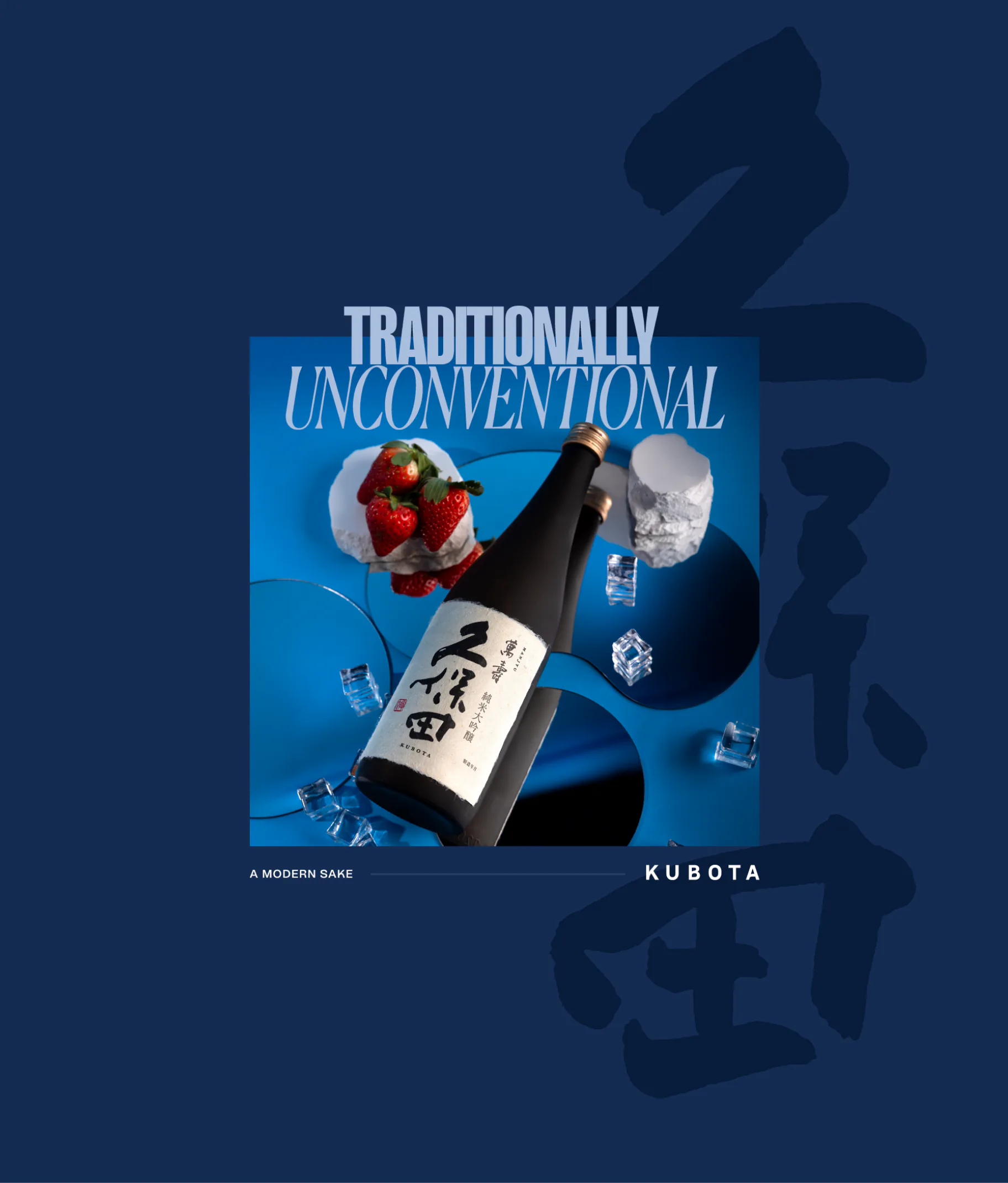
Shot stateside
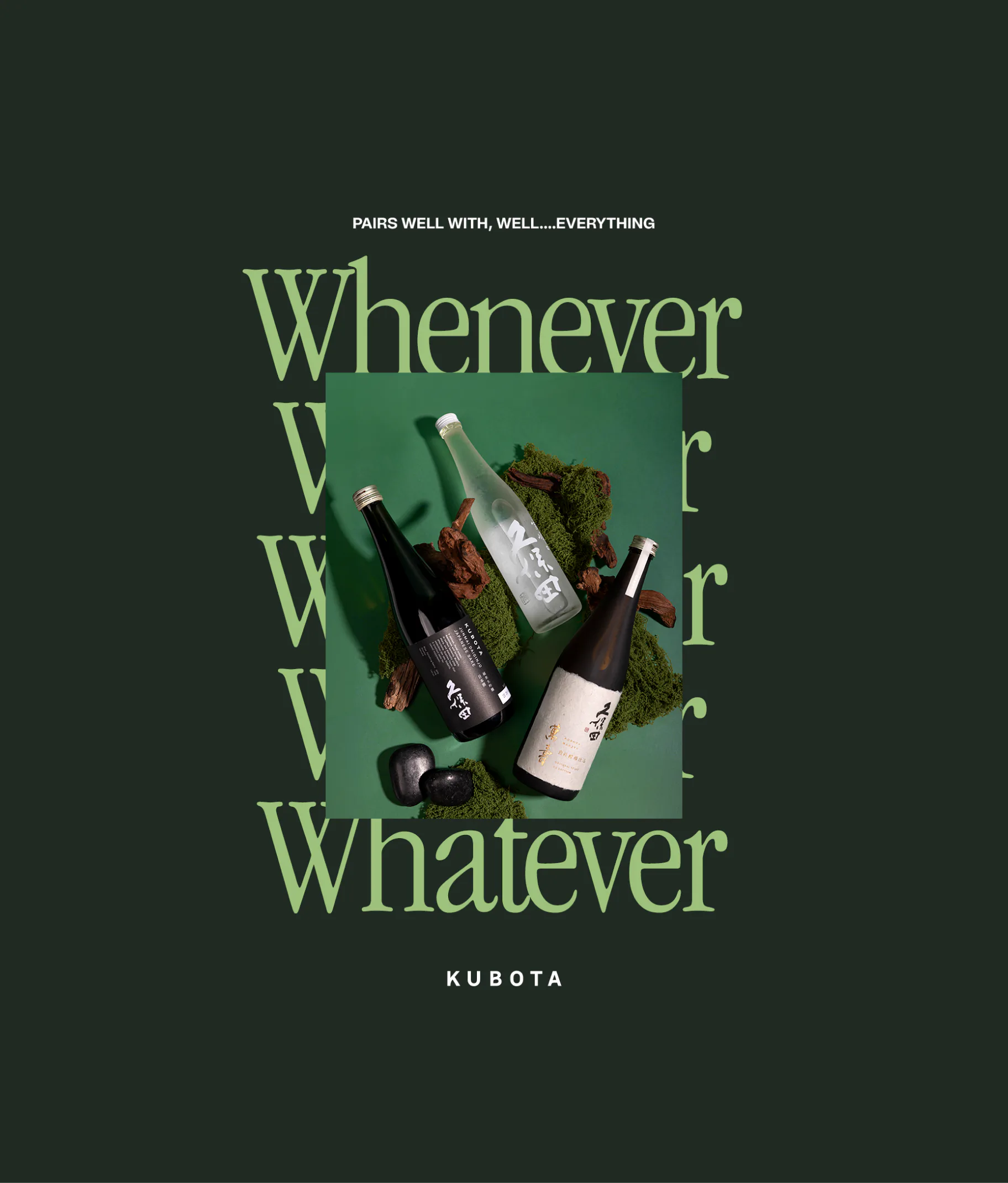
Every launch asset was shot in the U.S., not Japan, so the brand felt native to the shelves and tables it was joining.
02 / 03
Solution
Here's how we handed Kubota the permission it never needed to ask for.
We ran Kubota through our full discovery framework (Company, Category, Marketplace) before writing a word of copy, because context is everything.
Truth: Kubota is crafted, yet unconventional, obsessed with innovation and change, not tradition for tradition’s sake.
Tension: The sake category in America isn’t rooted in confidence, permission, or assurance. It’s rooted in hesitation.
Translation: Don’t translate the culture, translate the emotion. Americans don’t need a lecture on ceremony. They need permission to make it their own.
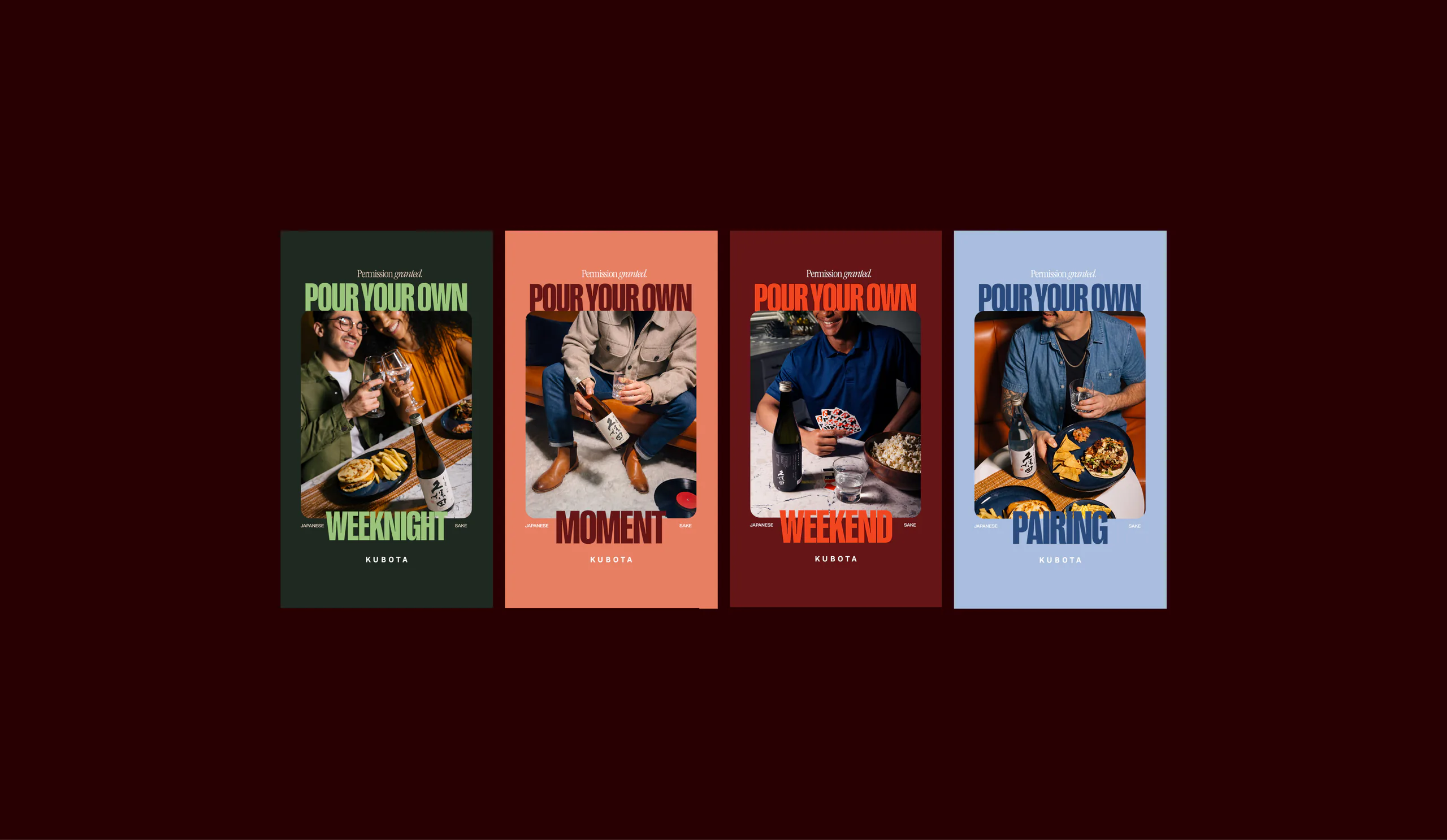
That became an identity the brand could own: Traditionally Unconventional. Kubota earned the right to break the rules because it knows them better than anyone else. We built the verbal and visual identity, brand manifesto, and creative platform around that idea, anchored by one line: Pour Your Own.
(What We Did)
- Full Brand Strategy, Verbal & Visual Identity
- Brand Manifesto & Creative Platform ("Rewriting the Rules of Sake")
- Persona-Driven Messaging Framework
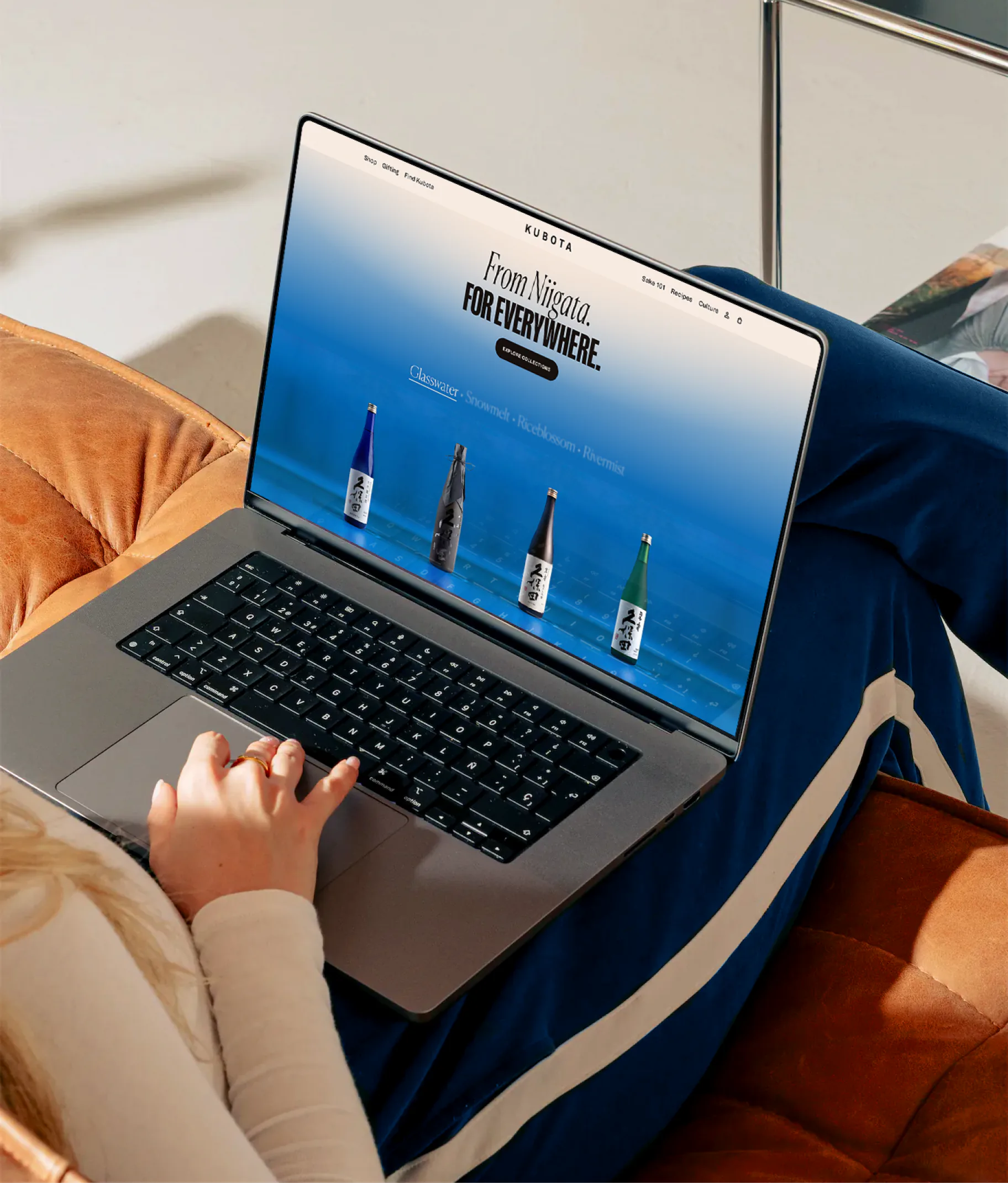
- New Website Design & Development
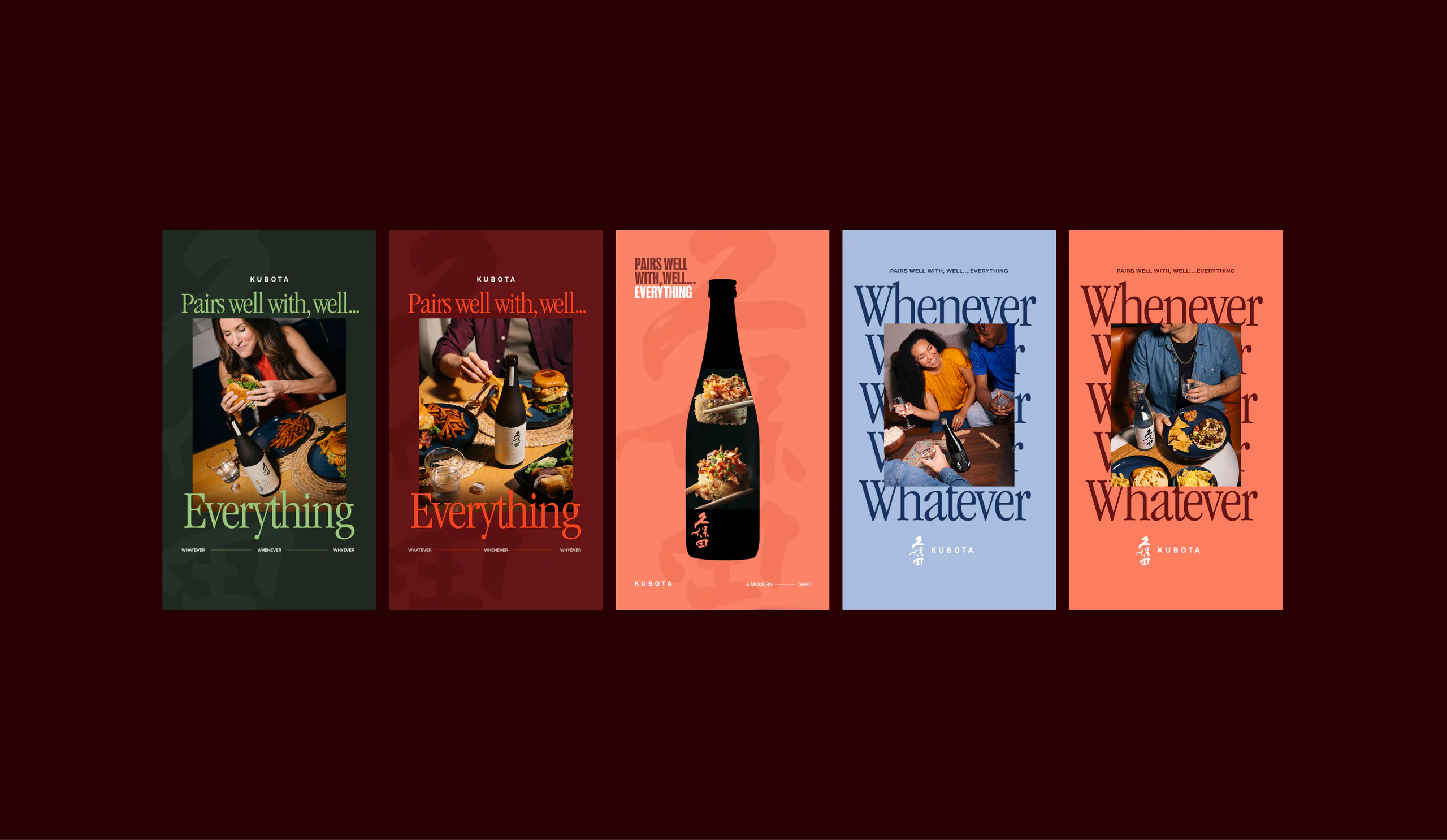
- Multi-Channel Campaign Creation
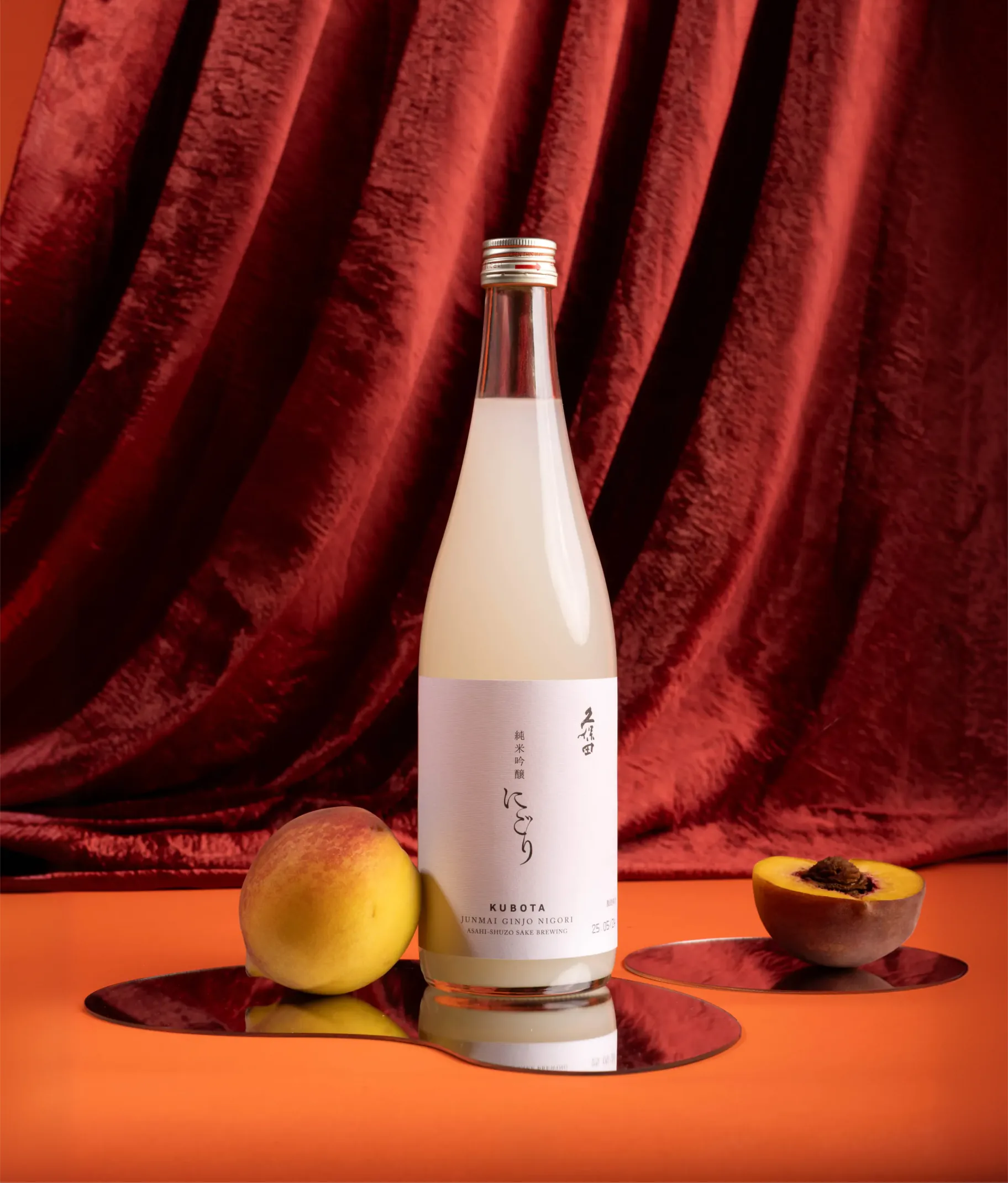
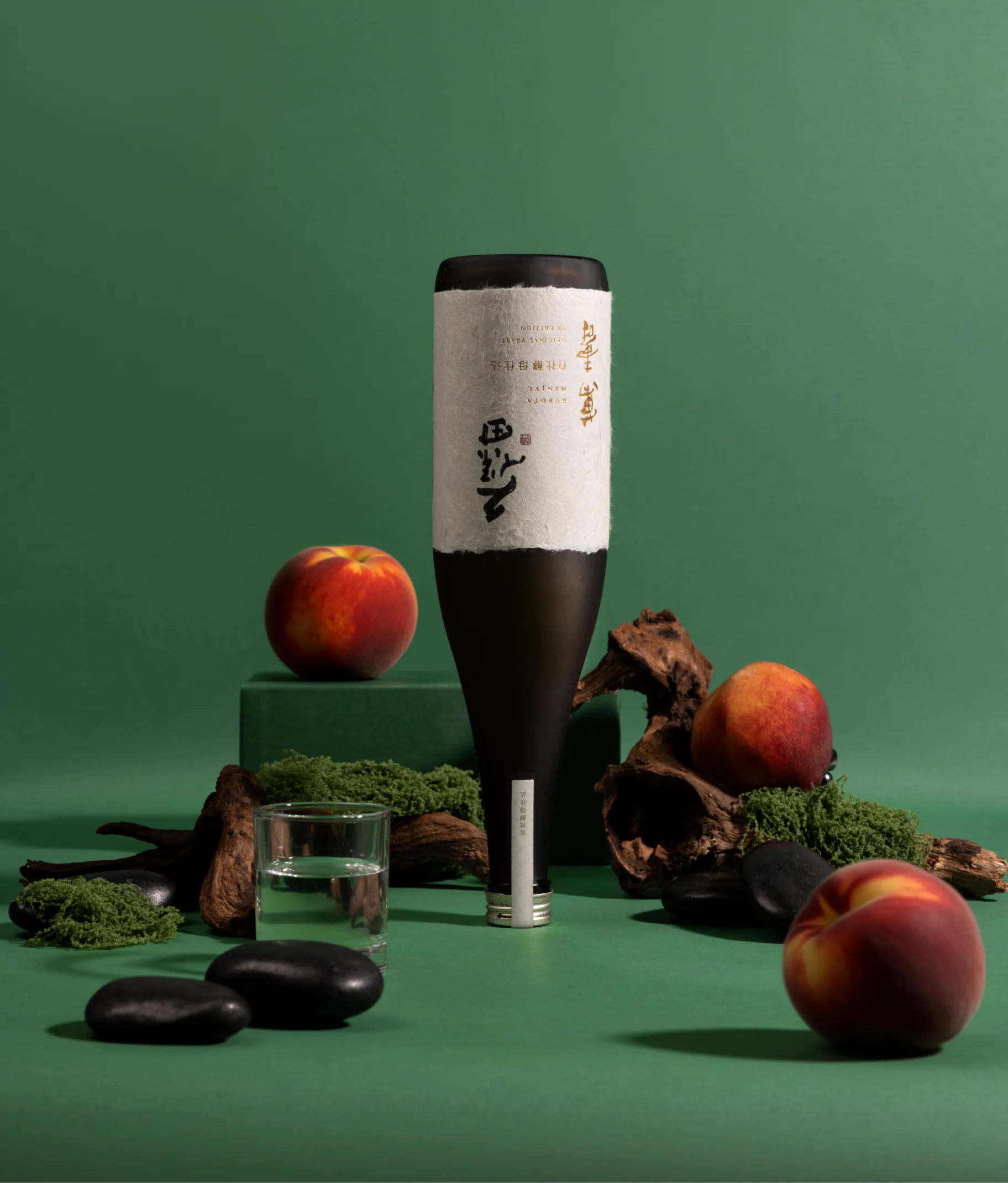
- Photography & Content Production


03 / 03
Results
What happens when you stop waiting for someone else to pour?
We built the launch as an architecture, not just a media buy. Every dollar had a job, and every channel handed off to the next one.
Influencer investment went first, not last. Creator content seeded real audience data before paid media ever turned on, giving Meta and Google something authentic to build lookalike and retargeting audiences from. From there, we split paid media by role.
Google and YouTube carried the broad, low-cost awareness that fed every other platform. Meta turned that awareness into engagement without chasing conversions too early. LinkedIn skipped the consumer entirely and went straight to sommeliers, beverage directors, and restaurant buyers, building the on-premise credibility that only a trade audience can grant.
The whole flight rolled out in three deliberate stages: launch and learn, optimize and iterate, maintain and scale. As a result, spend followed real signal instead of a launch-day guess, and it peaked into the holidays and International Sake Day, catching the category’s two biggest moments of the year.
PR ran on the same “prove it, don’t perform it” logic as the creative work. Full-bottle press boxes went to the journalists telling Kubota’s story, tasting flights were sent to the influencers building pairing content, and each was given a single narrative that could be told three ways depending on who was listening — no permission needed, pair it wrong on purpose, and earn the right to break tradition.
Underneath all of it, organic content did the daily work of making Kubota feel lived-in rather than launched. Content split cleanly by persona, craft-and-heritage storytelling (the handmade washi label, the role of koji in every glass, etc.) for the audience that wanted to understand the product, and cultural pairing content — Kubota next to tacos and Korean fried chicken instead of just sashimi — for the audience that wanted permission to use it their own way.
The early read is already outpacing what a first-to-market launch is supposed to do. Distribution is ahead of plan, awareness is building faster than projected, and early interest is exceeding the goals we set before a single ad ran.
Kubota didn’t enter the U.S. sake conversation quietly. It walked in, broke a few rules on purpose, and told people to pick a bottle and pour their own.

Client Testimonial
“Kubota balances tradition with individuality. We turned nearly two centuries of brewing expertise into a modern invitation: traditionally unconventional. So everyone can pour their own.”
Michael CatanzaroPresident & Chief Brand Officer, The Brand Leader

Kubota Sake
Kubota has spent nearly 200 years perfecting sake in Japan, a name serious drinkers already trust. But trusted in Japan doesn’t mean understood in America. Launching Kubota in the U.S. meant introducing sake itself to an audience that still defaults to wine and whiskey, and giving a growing but confused market a real reason to change that.
- Industry:
- Wine & Spirits
- Website:
- kubotasake.com
- Engagement:
- Agency of Record
01 / 03
Challenge
How’s this for a challenge? Introduce a 200-year-old sake dynasty to a country that’s not really sure what sake is.
Kubota had everything a heritage brand could want: nearly two centuries of craft, premium rice, pristine Niigata water, and real respect in Japan. What it didn’t have was any recognition in the U.S. The category itself was confusing enough, but when you consider that most Americans associate the name with tractors, you see what the brand was up against.
As noble as it is, sake’s tradition actually works against it in the U.S. market. It’s steeped in another language and wrapped in ceremony and ritual, burdening it with rules people don’t want to break by accident. So they play it safe with wine or whiskey, and sake stays a “someday” drink that’s always poured by someone else, on someone else’s terms.
Every competitor was fighting for the same tradition-anchored corner of the map. Kubota needed to break through that noise, hit aggressive volume goals on a tight nine-month timeframe, and ultimately establish itself as a sake that people reach for, whether they understand the tradition or not.
02 / 03
Solution
Here's how we handed Kubota the permission it never needed to ask for.
We ran Kubota through our full discovery framework (Company, Category, Marketplace) before writing a word of copy, because context is everything.
Truth: Kubota is crafted, yet unconventional, obsessed with innovation and change, not tradition for tradition’s sake.
Tension: The sake category in America isn’t rooted in confidence, permission, or assurance. It’s rooted in hesitation.
Translation: Don’t translate the culture, translate the emotion. Americans don’t need a lecture on ceremony. They need permission to make it their own.
That became an identity the brand could own: Traditionally Unconventional. Kubota earned the right to break the rules because it knows them better than anyone else. We built the verbal and visual identity, brand manifesto, and creative platform around that idea, anchored by one line: Pour Your Own.
(What We Did)
- Full Brand Strategy, Verbal & Visual Identity
- Brand Manifesto & Creative Platform ("Rewriting the Rules of Sake")
- Persona-Driven Messaging Framework
- New Website Design & Development
- Multi-Channel Campaign Creation
- Photography & Content Production
03 / 03
Results
What happens when you stop waiting for someone else to pour?
We built the launch as an architecture, not just a media buy. Every dollar had a job, and every channel handed off to the next one.
Influencer investment went first, not last. Creator content seeded real audience data before paid media ever turned on, giving Meta and Google something authentic to build lookalike and retargeting audiences from. From there, we split paid media by role.
Google and YouTube carried the broad, low-cost awareness that fed every other platform. Meta turned that awareness into engagement without chasing conversions too early. LinkedIn skipped the consumer entirely and went straight to sommeliers, beverage directors, and restaurant buyers, building the on-premise credibility that only a trade audience can grant.
The whole flight rolled out in three deliberate stages: launch and learn, optimize and iterate, maintain and scale. As a result, spend followed real signal instead of a launch-day guess, and it peaked into the holidays and International Sake Day, catching the category’s two biggest moments of the year.
PR ran on the same “prove it, don’t perform it” logic as the creative work. Full-bottle press boxes went to the journalists telling Kubota’s story, tasting flights were sent to the influencers building pairing content, and each was given a single narrative that could be told three ways depending on who was listening — no permission needed, pair it wrong on purpose, and earn the right to break tradition.
Underneath all of it, organic content did the daily work of making Kubota feel lived-in rather than launched. Content split cleanly by persona, craft-and-heritage storytelling (the handmade washi label, the role of koji in every glass, etc.) for the audience that wanted to understand the product, and cultural pairing content — Kubota next to tacos and Korean fried chicken instead of just sashimi — for the audience that wanted permission to use it their own way.
The early read is already outpacing what a first-to-market launch is supposed to do. Distribution is ahead of plan, awareness is building faster than projected, and early interest is exceeding the goals we set before a single ad ran.
Kubota didn’t enter the U.S. sake conversation quietly. It walked in, broke a few rules on purpose, and told people to pick a bottle and pour their own.
Client Testimonial
“Kubota balances tradition with individuality. We turned nearly two centuries of brewing expertise into a modern invitation: traditionally unconventional. So everyone can pour their own.”
Michael CatanzaroPresident & Chief Brand Officer, The Brand Leader
Discover Real Growth
Ready to start your project?
Think bigger and turn your brand into a growth engine.