
23 Years of PSL: From Seasonal Starbucks Drink to Seasonal Industry Playbook
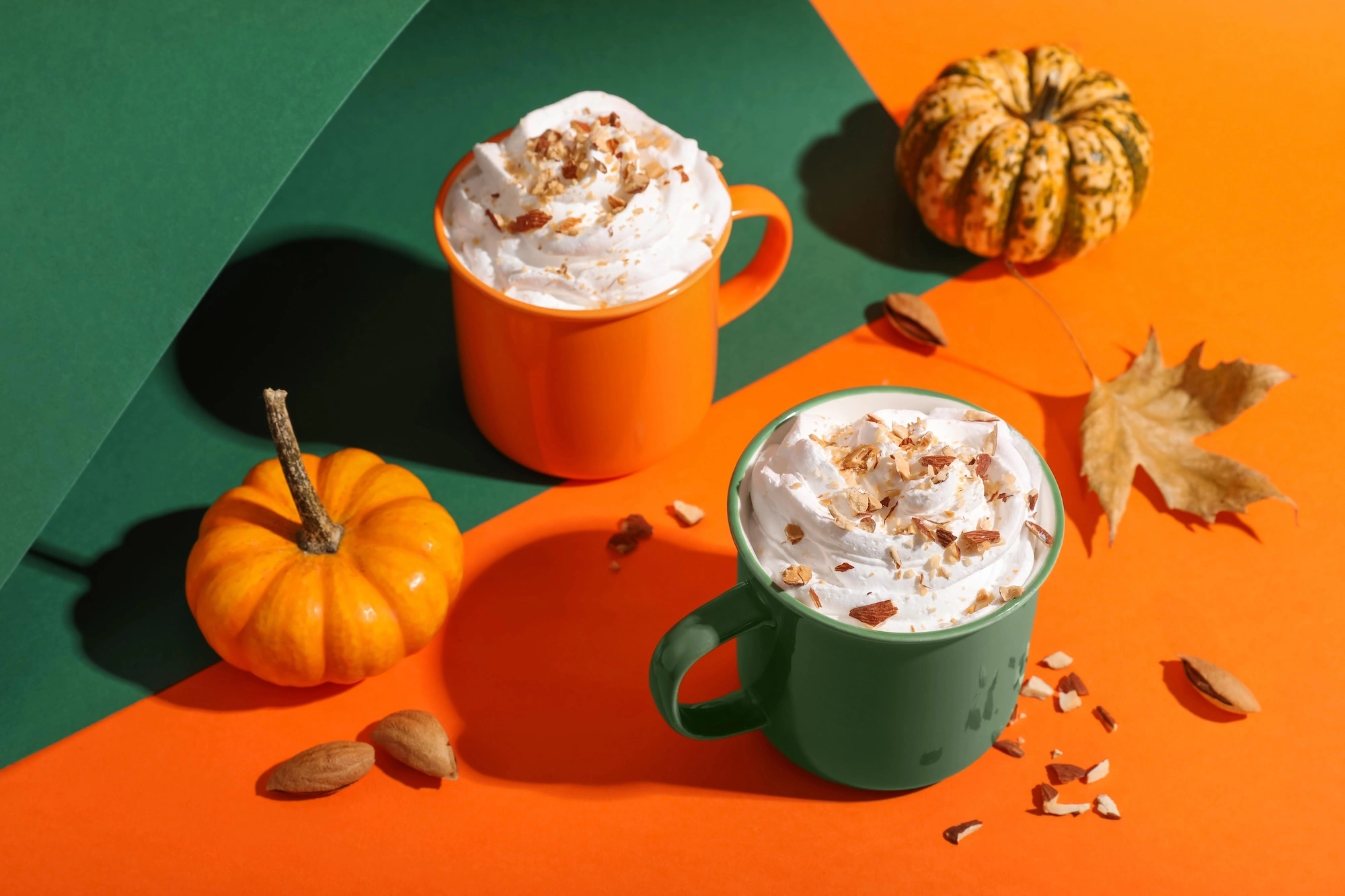
Last August, we tracked how Starbucks turned a pumpkin-flavored latte into a cultural phenomenon: one capable of selling fall to a nation sweating through 85-degree heat. A year later, the Pumpkin Spice Latte returned for its 23rd season, and that annual ritual hit a new high. On August 25, 2026, Starbucks logged its biggest fall menu launch day across the U.S. and Canada in company history.
What changed is everything around the drink. The launch date stopped creeping earlier. Competitors now start their fall menus well ahead of Starbucks. Pumpkin shares the season with apple, pecan, and tiramisu. And Starbucks has placed the PSL inside a larger sequence of timed launches that give customers a new reason to visit every few weeks.
Here is the bottom line for 2026: PSL didn't just create a seasonal drink. It built a seasonal operating system.
PSL Day 2026, by the Numbers
Key Takeaway
After 23 years, the PSL is still breaking its own records.
Launch-day traffic beat both last year and the year-to-date average, and Starbucks still won't make it a year-round drink.
Placer.ai foot traffic data supports the drink's pulling power after 23 years:
- Launch day visits beat the 2026 YTD daily average by 25.7%.
- Visits spiked 35.1% over a standard Tuesday, marking the company's busiest Tuesday of the year so far.
- Foot traffic topped the 2025 launch by 6.7%.
New menu additions were delivered too. In its post-launch update, Starbucks highlighted the Iced Pumpkin Cream Shaken Espresso and crowned the Hedgehog Cake Pop its best-selling fall cake pop to date. Starbucks also doubled down on celebrity marketing, trading 2025's Andy Cohen campaign for a 2026 ad featuring Martha Stewart and Belmont Cameli.
Scarcity remains the core strategy. Chairman and CEO Brian Niccol confirmed to Yahoo Finance that PSL will not go year-round. Twenty-three years in, Starbucks knows the formula: the drink creates demand because it eventually disappears.
Calendar Creep Stopped. Starbucks Is Fine Being Second
Key Takeaway
Being first matters less when you own the moment.
Competitors launched fall menus up to three weeks earlier, and Starbucks still had its biggest fall launch day ever.
For years, Starbucks steadily pulled PSL Day forward, turning late-August into default autumn. Now, the march has stopped. The data shows the creep has finally hit a ceiling.
| Year | PSL Launch |
| 2026 | Tuesday, August 25 |
| 2025 | Tuesday, August 26 |
| 2024 | Thursday, August 22 |
| 2023 | Thursday, August 24 |
Four straight launches landed inside the exact same five-day window: August 22 to 26. This year's arrived four weeks before the autumn equinox, holding steady right alongside 2025. Starbucks drew its line in late August, claiming the shift to fall without pushing prematurely into midsummer.
The rest of the industry didn't wait around. Wendy's kicked off its fall menu on August 3. McDonald's hit on August 18, and Dunkin' landed on August 19, a full week ahead of the green apron.
That flips the narrative. Starbucks says fall doesn't start until they say so. Record launch numbers confirm that's still at least mostly true. They built the seasonal clock, and even with competitors jumping the gun by three weeks, Starbucks doesn't need to run first to win.
Starbucks Shares Pumpkin with the Season
Key Takeaway
Starbucks built the fall window. Everyone else sells inside it.
Pumpkin still leads, but apple, tiramisu, and new iced drinks show the season can support more than one flavor.
Shift number two: fall isn't just a single-flavor showcase anymore. It's a versatile season with multiple headliners. Pumpkin still anchors the lineup, but it now shares the spotlight.
Take Starbucks' own 2026 fall lineup. They added Chaider, a cider-inspired chai, next to returning pecan favorites and fresh banana bread options. The pumpkin family itself expanded into cold formats: an Iced Pumpkin Cream Shaken Espresso, a Pumpkin Spice Chai, and an Iced Pumpkin Cream Matcha. Notice the trend? Two of those three new pumpkin drinks are iced. Even the flagship hero ad put an Iced PSL right in Belmont Cameli's hand. The hot latte remains the iconic hero, but iced drinks drive additional growth momentum.
Competitors pushed the playbook even further, according to their own press releases:
- Wendy's pitched its Apple Crumble Frosty Fusion as autumn flavor "beyond pumpkin spice."
- McDonald's anchored its seasonal McCafé push around Caramel Apple Pie across lattes, coffees, and frappés.
- Dunkin' kept five core pumpkin offerings while launching a four-drink tiramisu collection and high-protein lattes.
Many brands are monetizing fall, but only some use pumpkin to do it. Here are the takeaways for marketers: the seasonal window Starbucks built is strong enough for competitors to win inside it using completely different flavors. Starbucks built the platform. Much of the market is running on it.
The PSL Is Now One Step in a Sequence
Key Takeaway
One launch creates a spike. A sequence creates a habit.
A one-weekend nostalgic drop followed by a signature launch ten days later kept customers coming back.
One of the most useful lessons from 2026 comes from the ten days before PSL Day. Starbucks brought back the Unicorn Frappuccino for a single weekend in mid-August. According to Starbucks, it sold more than 2 million of them in its North America stores, delivered its best North America sales weekend ever, and made August 15 its biggest Saturday on record. Ten days later, the PSL raised the bar again.
We read that sequencing as a deliberate playbook. A nostalgic one-weekend drop pulls lapsed and curious customers back into the stores. A signature seasonal launch a week and a half later gives those same customers a reason to return. Placer.ai, which tracks the chain's foot traffic, has a name for it: promotion stacking.
In our 2025 analysis, the PSL and the Red Cup acted as two standalone moments. By 2026, they operate as calculated beats in a continuous song of limited-time events. The Red Cup is simply the next anchor in line this November.
The takeaway is simple. A single seasonal product creates a short-term surge. A continuous sequence of targeted moments builds a lasting habit.
Lessons Starbucks Taught Us in Year 23
Key Takeaway
Creating a moment is the first step. You also have to keep it alive.
Lead with meaning over timing, use the icon to test new formats, stack your launches, and protect the scarcity.
Last year's lesson was about creating a cultural moment. This year's lessons are about what it takes to keep one alive once the market reacts.
- It’s more about meaning, less about timing. Starbucks stopped racing competitors to the earliest launch, and it still had its strongest fall launch day ever. When customers already treat your product as the official marker of a moment, arriving first matters much less.
- Don’t confuse the moment with the product. The PSL now leads a lineup of iced, matcha, chai, and cider-inspired drinks. An established seasonal anchor gives you permission to test new formats without diluting the icon.
- Stack your moments. A single launch creates a spike. A planned sequence of drops, launches, and collectibles builds anticipation, recognition, and awareness that compounds from one moment to the next.
- Protect the scarcity. Year-round availability would almost certainly sell more lattes in March, but it would starve the drink of the anticipation that drives its record days in August.
23 years after a team in Seattle asked what fall might taste like, the Pumpkin Spice Latte is still setting records. Starbucks is no longer the only brand announcing autumn in August, and it's weeks behind the first. But it remains the brand people wait for.
If your brand has a moment worth owning, the question for 2026-27 goes beyond how to create it. Ask what you'll build around it so that it keeps growing after everyone else starts copying.


