
Social Is Becoming Gen Alpha’s Search Engine
Why This Matters Now
For years, marketers treated social media and search engines as two entirely different worlds.
Search was where people went with intent. Social was where people went for entertainment, distraction, or connection. One was supposed to help you find answers. The other was supposed to help you pass time. That distinction is disappearing quickly, especially among younger audiences.
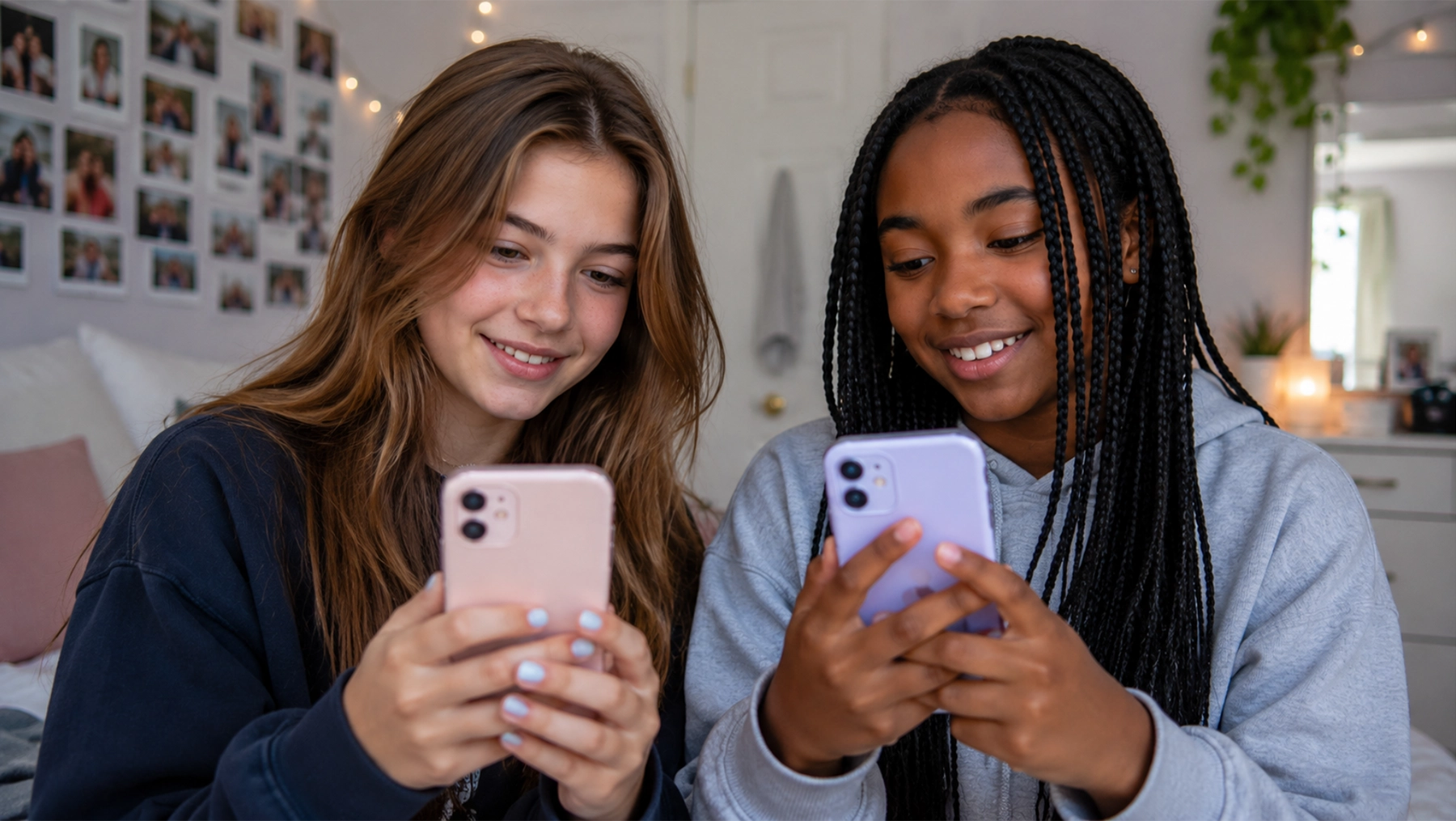
Generation Alpha, the first generation raised entirely inside algorithm-driven ecosystems, increasingly uses platforms like TikTok, Instagram, YouTube, Reddit, and Snapchat not just socially, but behaviorally. These platforms are becoming recommendation engines, trust engines, validation engines, and in many cases, search engines all at once.
And honestly, if you had told me 25 years ago, or even 5 years ago, that I'd be sitting here in my late 50s as a branding agency founder writing about TikTok search behavior, social algorithms, GEO, and AI discoverability, I probably would've laughed.
But the deeper I've immersed myself into digital strategy to grow our agency and support my team over the last several years, the more I've realized something important: the platforms change, but human behavior really doesn't.
At the end of every search, click, recommendation, and buying decision, our agency President/CBO, Michael Catanzaro, often reminds me there's still a human being on the other side asking a few fundamental questions:
Can I trust this?
Do these people understand me?
Does this feel credible?
Does this feel relevant to my life?
That's why this shift matters far beyond social media. It's changing how discovery itself works.
What Is Social Search?
Social search refers to people discovering information, brands, products, recommendations, and experiences directly through platforms like TikTok, Instagram, YouTube, and Reddit instead of starting with traditional search engines.
And increasingly, younger audiences trust those platforms more because the experience feels human.
Think about the last time you planned a trip.
Maybe you were heading to Charleston, Nashville, New York, or Scottsdale and wanted a great coffee shop, rooftop bar, restaurant, or boutique hotel recommendation.
Odds are, especially if you were under 35, you probably didn't start with Google.
You opened TikTok. Or Instagram. Or YouTube.
And what you were really looking for wasn't just information. You were looking for reassurance.
You wanted to see the food, hear someone react to it, read comments, watch the atmosphere, and decide whether the people recommending it felt trustworthy or aligned with your taste.
Amy and I laugh about this all the time now. Between our own travels and our New York PR team constantly trading restaurant and hotel recommendations, we've realized how rarely discovery even starts with traditional search anymore.
A few months ago, we were texting with teammates and friends about where to go in New York, Charleston, and Nashville. Places like Via Carota, Husk, and The Catbird Seat kept coming up repeatedly, not because someone sent us a search result, but because people kept passionately describing the experience. The food, the atmosphere, the energy, the feeling walking out afterward.
(And if you're thinking, “Did he just shamelessly plug those places hoping for a comp drink and appetizers next time?” I mean… maybe.)
But that's the point.
Nobody was sharing rankings. They were sharing conviction.
Traditional search often feels like reading a directory. Social search feels more like overhearing trusted recommendations at a crowded dinner party in real time.
That's a massive behavioral shift.
Why Gen Alpha Uses Social Like a Search Engine
Generation Alpha has grown up in a world where algorithms constantly personalize information around them. They discover products, destinations, creators, trends, and opinions through personalities and communities they already trust.
Traditional search can feel clinical and overly optimized.
Social content feels immediate, visual, emotional, and human.
That distinction matters because younger audiences increasingly prioritize:
- authenticity over polish
- recommendations over rankings
- creators over corporations
- experience over messaging
Nick Wheeler, our Senior Director of Digital at The Brand Leader, says something internally and to clients all the time that I think captures this shift perfectly:
“Search used to be about finding answers. Increasingly, social search is about finding reassurance.” — Nick Wheeler, Senior Director of Digital, The Brand Leader
That's such an important distinction.
People are no longer simply searching for the “best” option. They're searching for signals that help them feel confident before making a decision.
Why This Changes SEO
One of the biggest misconceptions right now is that social search replaces SEO.
It doesn't.
It expands it.
SEO is no longer just about keywords and rankings. It's increasingly about discoverability across ecosystems.
Google now regularly surfaces TikTok videos, Reddit discussions, YouTube Shorts, and creator content directly in search results because those signals increasingly influence trust and engagement.
That means modern SEO strategies can no longer operate independently from social ecosystems.
Social increasingly shapes:
- awareness
- trust
- authority
- engagement
- contextual relevance
- brand familiarity
…long before conversion happens.
Companies like HubSpot demonstrated years ago how educational content and discoverability ecosystems could compound into enormous long-term authority. Today, social content is becoming another major layer in that ecosystem.
What Is GEO?
Generative Engine Optimization (GEO) is the practice of improving how brands appear inside AI-generated answers from systems like ChatGPT, Gemini, Claude, and Perplexity.
Unlike traditional search engines, AI systems increasingly synthesize information instead of simply returning links.
That changes discoverability significantly.
These systems evaluate recurring authority signals: who gets cited, discussed, referenced, trusted, and consistently associated with expertise.
In other words, social content is no longer only influencing audiences.
It's influencing algorithms and AI systems too.
That's why the lines between SEO, social media, PR, content strategy, thought leadership, and GEO are blurring so quickly.
Social Search Is Emotional Search
This may be the most important shift brands need to understand.
Traditional search prioritized accuracy.
Social search prioritizes confidence.
People are often not just asking:
- “What's the best running shoe?”
- “What's the best hotel in Charleston?”
- “What's the best bourbon?”
They're really asking:
What feels trustworthy?
What feels culturally relevant?
What feels like people like me would actually enjoy?
That's why brands that understand human behavior increasingly outperform brands that simply understand algorithms.
Algorithms evolve constantly. Human psychology moves much slower.
Why Authenticity Is Quietly Becoming a Ranking Factor
Younger audiences have become remarkably skilled at spotting overly polished or overly corporate content.
Ironically, the more “perfect” content feels, the more trust it can lose.
That doesn't mean professionalism disappears. It means brands increasingly need emotional credibility alongside visual polish.
Brands like Duolingo understood this early. Their social strategy worked not because it felt overly branded, but because it felt self-aware, culturally fluent, and native to the platform itself.
Liquid Death did something similar in a completely different category. Instead of behaving like a traditional bottled water company, they leaned fully into humor, absurdity, entertainment, and cultural participation. Whether people loved the brand or hated it, they remembered it.
Stanley offers another interesting example. A product that had existed for decades suddenly became culturally explosive not because of traditional advertising, but because social ecosystems transformed it into an identity signal tied to lifestyle, community, aesthetics, and belonging.
That's increasingly how discoverability works socially.
The brands that stand out are often the ones willing to feel human enough to participate culturally instead of simply broadcasting messaging.
How This Is Reshaping Travel, Wine, and Lifestyle Brands
Travel and tourism may be one of the clearest examples of social becoming a search engine.
Younger travelers increasingly discover destinations through TikTok itineraries, creator travel diaries, Instagram Reels, YouTube travel content, and local recommendation videos long before they ever visit a tourism website.
That changes the role of destination marketing entirely.
The destinations gaining momentum are not simply promoting attractions. They are creating emotionally immersive storytelling ecosystems that help potential travelers picture themselves there before they ever book a trip.
Brands like Airbnb accelerated this shift by making travel discovery feel experiential, personal, and community-driven instead of transactional. That one is especially interesting to me personally because Amy and I have owned several Airbnbs over the years, so I've probably paid closer attention than most people to how they position experiences, create emotional connection, build host and traveler trust, and foster a sense of community and belonging instead of simply marketing “places to stay.”
That's a huge distinction.
At The Brand Leader, we see this firsthand in travel and tourism marketing. Increasingly, the destinations winning attention are the ones creating “save-worthy,” emotionally resonant, culturally native content that feels discoverable organically inside the platforms where younger audiences already spend their time.
What Wine and Spirits Brands Should Understand
Wine and spirits brands are seeing similar changes, especially among younger legal-age consumers entering premium and experiential categories.
Historically, discovery often happened through hospitality, retail placement, critic reviews, or traditional advertising. Today, social increasingly influences brand perception, cocktail culture, lifestyle association, experiential relevance, and even direct-to-consumer purchasing behavior.
Consumers now discover wines, spirits, bars, restaurants, and hospitality experiences through creators, sommeliers, mixologists, and personalities they follow socially. In many cases, they are not just buying a product anymore. They are buying participation in a lifestyle, community, or experience they emotionally connect with.
Brands like Liquid Death helped demonstrate how lifestyle-driven storytelling and cultural participation can create exponentially more visibility than product-first advertising alone. That same philosophy increasingly applies across wine and spirits categories where identity, culture, and emotional association often influence younger consumers more than traditional advertising alone.
We've seen this shift firsthand through our longtime client relationship with Free the Grapes!, a wine industry coalition we've worked with for nearly two decades focused on expanding legal direct-to-consumer wine shipping access across the United States.
What's interesting is that even though their mission centers heavily around DTC wine shipping legislation and consumer access, the customer journey itself has changed dramatically over the years. Increasingly, consumers are not discovering wineries solely through traditional wine publications or retail channels first. They're discovering them socially through vineyard stories, winemaker personalities, tasting experiences, hospitality content, food pairings, travel creators, and lifestyle-driven recommendations shared across social platforms.
Even direct-to-consumer purchasing behavior is increasingly being influenced upstream by social trust signals and creator-driven discovery.
That's a major shift for the wine industry because historically, discovery and transaction often lived separately. Today, social increasingly influences both.
Why Financial Brands Should Pay Attention Too
At first glance, social search may feel less relevant for financial institutions and professional services firms.
That would be a mistake.
Younger audiences increasingly use social platforms to learn financial concepts, evaluate credibility, consume educational content, and validate expertise before ever speaking with an advisor.
That doesn't mean complex financial decisions happen entirely through TikTok. It means trust-building increasingly begins there.
Companies like HubSpot demonstrated years ago how educational ecosystems could compound into enormous long-term authority and discoverability. Financial brands are beginning to apply similar models through podcasts, executive thought leadership, educational video content, and approachable expertise.
And honestly, this is where understanding human behavior matters again.
Whether someone is choosing a financial advisor, a bourbon brand, a travel destination, or a pair of running shoes, people rarely buy based on information alone. They buy based on trust, familiarity, confidence, and emotional alignment.
How Active Lifestyle Brands Are Winning
Active lifestyle and outdoor brands may understand this shift better than almost any category because community has always been central to their growth.
Younger consumers increasingly discover gear, recovery products, endurance brands, wellness concepts, and fitness trends through creators and communities instead of traditional advertising.
Brands like Nike, Alo Yoga, and Lululemon built ecosystems that extend far beyond products. They built identity, aspiration, belonging, and cultural participation.
That distinction matters because Gen Alpha increasingly follows communities before they follow brands.
What Brands Should Do Now
Brands targeting Gen Alpha and younger audiences should stop viewing social as simply a promotional distribution channel.
Social is increasingly functioning simultaneously as a search engine, trust engine, recommendation engine, validation engine, and cultural participation engine. That changes strategy significantly.
The brands adapting best are investing more heavily in creator partnerships, native short-form video, educational content, conversational storytelling, community-building, thought leadership, and integrated SEO/GEO strategies that recognize discoverability no longer happens in one place.
It happens across ecosystems.
The Bottom Line
Generation Alpha is not just changing where discovery happens. They are changing what trust looks like online.
That shift will increasingly reshape SEO, GEO, branding, content strategy, AI discoverability, PR, social media, and digital authority over the next several years.
The brands that adapt earliest will not simply gain attention. They will gain contextual relevance in the environments where future customers increasingly discover, evaluate, and trust brands.
At The Brand Leader, we believe the future belongs to brands willing to understand not just where audiences are, but how audiences are evolving.
Because in the AI era, visibility is no longer only about being found.
It is about being trusted where discovery actually happens.


