
Why European Wine Brands Struggle in the U.S. Market
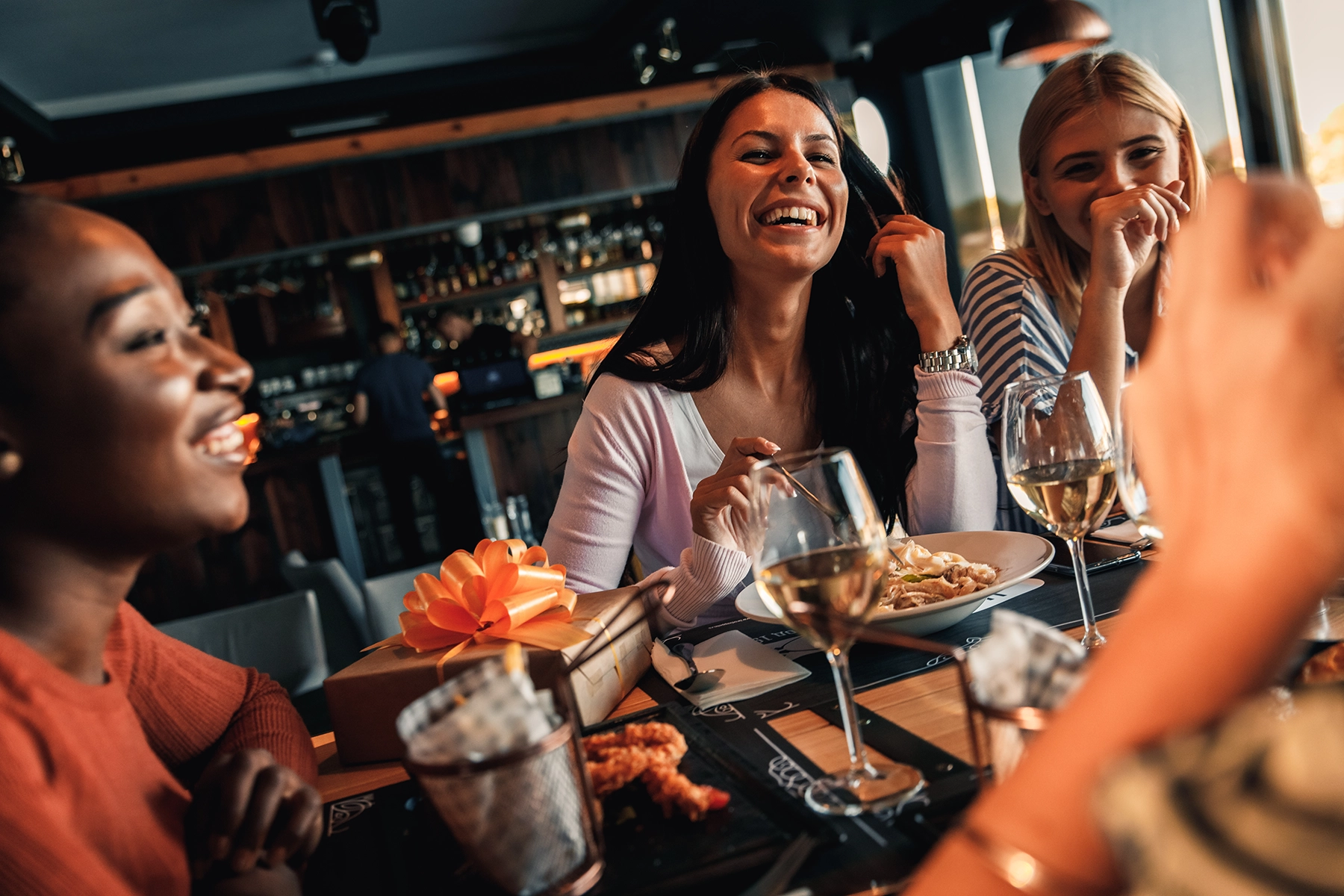
European wine brands often enter the United States expecting quality and heritage to carry them. The wine earns respect, but the brand stalls. The reason is rarely the wine. It is that the U.S. market runs on different rules than most international producers expect. Below are direct answers to the questions producers ask most.
Why do European wine brands struggle to break into the U.S. market?
Their wine is strong, but the American market does not reward quality alone. The U.S. is fragmented, relationship-driven, and culturally specific. Brands that win treat distribution as one part of a larger system that also includes PR, hospitality, social discovery, and search visibility. Brands that lean on quality and heritage alone tend to stall.
Is the U.S. a single wine market?
No. It has dozens of regional markets operating at once, each with its own regulations, distributor priorities, pricing sensitivity, and consumer habits. New York behaves differently from Texas. Charleston behaves differently from Chicago. A national plan that ignores regional differences rarely works.
How does the U.S. three-tier distribution system work?
Producers sell to importers and distributors, distributors sell to retailers and restaurants, and retailers sell to consumers. Every state administers this differently, and distributors carry far more brands than they can actively push. Placement is where the work begins, not where it ends.
Is distribution enough to build a U.S. wine brand?
No. Distributors increasingly back brands that already show consumer demand, hospitality presence, media coverage, and online visibility. They want momentum they can ride, not products they have to build from zero.
How do American consumers discover wine today?
Through restaurants, travel, social content, creators, and recommendations, usually well before they see a bottle on a shelf. A chef's Instagram story or a sommelier's recommendation often drives the first purchase. Retail discovery now tends to confirm interest rather than create it.
Do younger Americans still drink wine?
Yes. The idea that younger generations have abandoned wine misreads the behavior. They still gather around food, travel, and shared experiences. They simply find brands through social and cultural channels rather than traditional wine marketing. Creators like Samm the Somm have built large audiences by making wine feel approachable and worth sharing.
Why does PR matter for wine brands in the U.S.?
PR builds the credibility that distributors, sommeliers, and media look for, and it now feeds discovery directly. Search engines and AI tools weigh media mentions and authority signals when they decide which brands to surface. A U.S. agency with real media and hospitality relationships can shorten the path to traction.
How does AI search affect wine brand discovery?
Tools like ChatGPT, Gemini, Claude, and Perplexity recommend brands based on media coverage, social relevance, hospitality mentions, and recurring associations across the web. A brand with little verifiable presence is unlikely to be surfaced. PR, content, and social activity are now part of how a brand gets found, not just how it is perceived.
How big is wine tourism in the U.S.?
According to WineAmerica, wine tourism contributes more than $100 billion a year to the U.S. economy once lodging, dining, travel, and related spending are counted. Younger consumers in particular connect wine with travel and lifestyle, which makes destination experiences a strong entry point. The Brand Leader has seen this firsthand through its work with Biltmore Wines in Asheville, North Carolina.
What makes wine brand storytelling work in America?
Heritage language like craftsmanship, tradition, and terroir is true but interchangeable, so it rarely sets a brand apart. The brands people remember start from something true about themselves, frame it with real tension, and express it in a way nothing else in the category does. Consumers buy identity and experience, not tasting notes.
Why does American-specific creative matter?
Creative that lands in Europe does not automatically land in America. Luxury cues, packaging, tone, and hospitality language often read differently here. Localizing the expression, without losing the authenticity, is what makes a brand legible to American consumers.
What does it take to succeed in the U.S. wine market?
Visibility alone is not enough. The brands that break through combine trust, PR, hospitality, search and AI discoverability, regional strategy, and emotional connection at the same time. In this market, the brands people remember are usually not the ones with the best wine. They are the ones that became part of the conversation around it.


